
Entity Formation
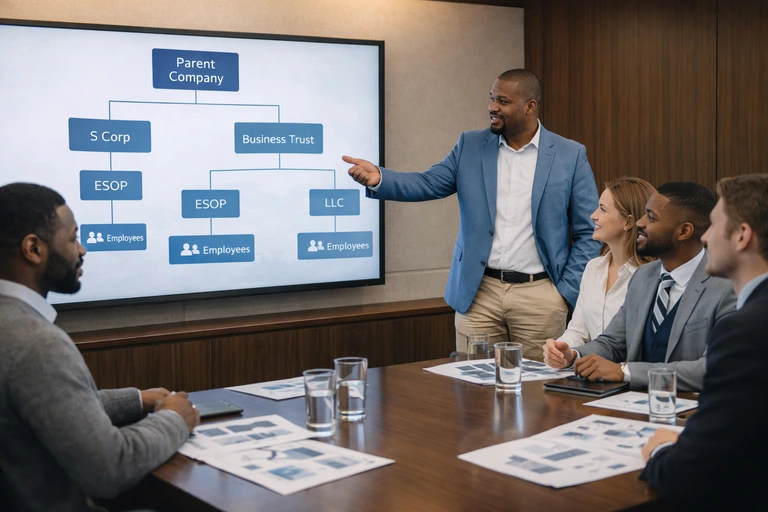
Choosing the right entity type can minimize risk, enhance governance and provide a more solid platform for day-to-day operations, seed financing and future succession. Formation is more than just filing paperwork; it's the legal architecture of your business.

How We Help
- Advising on formation and naming strategies for new ventures
- Selecting the ideal jurisdiction and recommending registered agent services
- Planning founder ownership allocations, stock classes and voting/governance foundations
- Organizing and preparing formation documents, initial filings and internal governance frameworks
- Structuring holdings, subsidiaries, parent entities or restructuring existing entities to meet evolving needs
Why It Matters
Filing the "default" entity formation documents can lead to headaches down the road with taxation, liability protection, leadership authority, banking relationships, investor financing and ownership transfers. We guide clients through these decisions up front to pave the way for operational effectiveness and to ensure your entity formation supports your long-term vision.
When It Matters
Our services are particularly beneficial when:
- Launching a new venture with multiple owners
- Requiring investors, financiers or silent partners
- Growing quickly with a limiting "default" structure
- Operating a business in multiple states/jurisdictions
- Creating an asset-holding entity for designated assets/services
Business Trusts
Business Trusts provide powerful legal structures for ownership, control, continuity and asset management when implemented correctly. Inherent Law Group can help determine if a business trust is right for your business goals and compliance requirements.

How We Help
- Forming business trusts or LLCs as asset holding entities
- Advising on trust structures as part of business ownership
- Defining trustee authority, duty separation and governance rules
- Planning for future leadership, incapacity transitions and strategic attrition
- Aligning business operating entities with trusts for family succession planning
- Planning and defining fiduciary responsibility, ownership transfer and tax considerations
- Reviewing internal governance procedures and refining trust structure to meet business needs
Why It Matters
Trusts can facilitate privacy, continuity and centralized management of your business entities under specific circumstances. However, poorly designed trusts can cause uncertainty in decision-making, create family governance disputes and spawn compliance issues over time. We walk our clients through these nuances and help them structure these legal instruments with defined authority and delegated responsibilities.
When It Matters
Our business trusts are sought after by clients:
- Planning a long-term family enterprise
- Looking to control a business without being publicly named
- Seeking continuity of the business during incapacitation or after death
- Seeking a more robust framework for succession and leadership transition
- Building a holding structure for your assets with long-term wealth generation
ESOP Entities
Employee ownership is a powerful arrangement for succession, retention and long-term business continuity. Since ESOP entities involve the workforce, careful legal structuring is needed so ownership aligns with governance, financing and compliance requirements.
How We Help
- Consulting on ESOP and future employee ownership structures
- Planning future ownership transitions for business founders and leadership
- Aligning entity structure with broader succession and estate planning goals
- Coordinating legal structures including corporate governance, trusts and benefit plans
- Working collaboratively with your ESOP administrator, valuation experts and tax advisors
- Reviewing bylaws, transfer of control, voting rights, stock allocations and stewardship considerations
Why It Matters
An ESOP isn't as simple as forming an LLC. Decisions you make now can impact your leadership, governance structure, current employees, employee incentives, stock allocations, employee retirement and long-term vision for your business. We can help you prepare and plan your ESOP so that the transition to employee ownership is practical, administrable and profitable.
When It Matters
Clients consider ESOP structuring and planning when:
- Transitioning the company without selling to a third party
- Planning an "exit" where you transition ownership over time
- Maintaining current company culture and employee benefits
- Coordinating legacy and wealth with multi-generational employee ownership
- Exploring tax-advantaged ownership transition strategies (within applicable legal and tax frameworks)